Lusaka, Zambia 27 April – 1 May 2026
After a hugely successful international training week in Lusaka in 2024, the team were eager to consolidate the progress made and ensure that a self-sufficient training programme was fully established. Whilst the primary objectives were achieved through delivery of a Train the Gastroscopy Trainers (TGT) course and a basic skills course in gastroscopy; the real success would be in the creation of a long-lasting endoscopy training programme embedded in the MMed programme.
Communication between the teams in Zambia and the UK had allowed ongoing mentoring and support over the last two years; and the team in Lusaka were very enthusiastic about a further training course. Two of the delegates in the first training course had completed training and were now employed as consultants within University Teaching Hospital (UTH), Lusaka. Alongside a further consultant who attended the first course, these three consultants delivered the bulk of endoscopy training at UTH with Professor Kelly. The Lusaka team recognised a real need for further upskilling in colonoscopy and training in therapeutic gastroscopy. With new doctors enrolled on the MMed with very limited exposure to gastroscopy, there was also an invaluable opportunity to deliver a basic skills course and consolidate previous learning.
Following the successful application for a BSG international grant; a working group (Professor Paul Kelly, Dr John Louis-Auguste, Dr Phoebe Hodges, Dr Duncan Napier, Dr David Nylander, SN Paul Watson and SN Abelyn Datlag and Dr Rebecca Anderson) was established to develop a second training week in Lusaka, Zambia. Dr Louis-Auguste was unable to join the training week but participated in the planning. Dr Rebecca Anderson joined the team and brought her experience of working in rural South Africa alongside UK endoscopy training.
After consultation with the team in Lusaka; the initial plan was to deliver a basic skills course in colonoscopy, a recap of gastroscopy training followed by a basic skills gastroscopy course run by local delegates. It was also evident that there was an increasing need to provide training in therapeutic endoscopy; and in particular variceal haemorrhage management, gastrostomy insertion and stent insertion. The team made plans to deliver training in therapeutic gastroscopy to the competent senior endoscopists but only if time during the week allowed. Learning from the previous endoscopy training week; it was crucial to have flexibility during the training week as availability of working scopes, patient selection, trainee/trainer availability were not wholly within the control of either team.
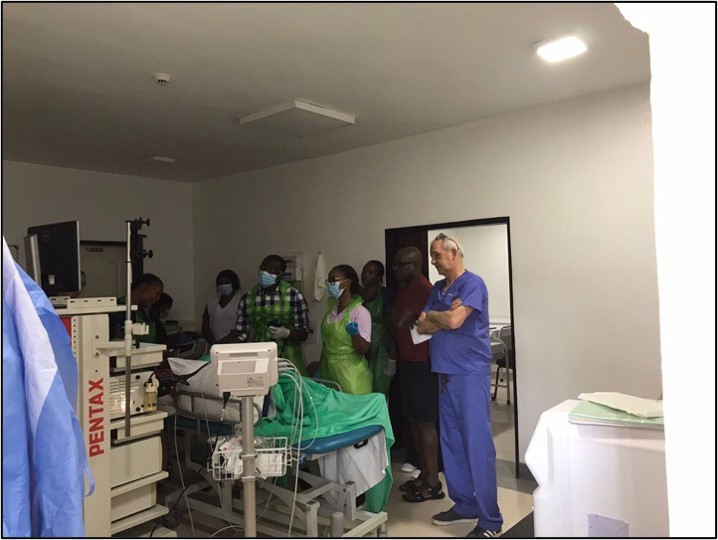
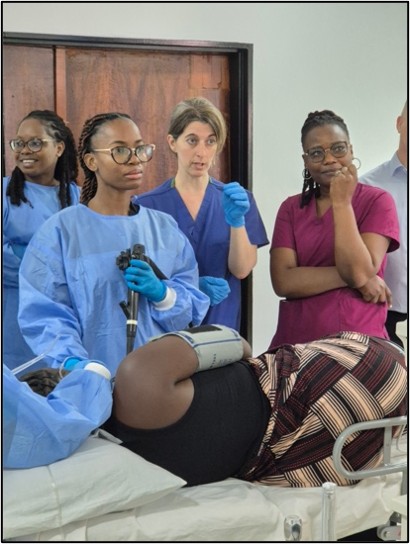
A timetable was jointly agreed with a summary agenda below; the plan was to utilise both St Augustine and UTH to deliver training.
Monday 27th | Tuesday 28th | Wednesday 29th | Thursday 30th | |||
UTH | St Augustine | St Augustine | UTH | St Augustine | UTH | St Augustine |
| - Welcome - Aims of Course | - TGT Refresher - 1 hour recap |
|
|
|
|
- Basic skills colonoscopy
Colon x 2 | - Basic skills gastroscopy
OGD x 3
| OGD x 3
Banding practice Clips Haemostasis Ovesco Polypectomy
| Basic skills
Colon x 3 | Basic skills
OGD x 5 |
| Colons / OGDs at St Augustine
Loop resolution Diathermy Polyp Complications |
Colon x 3 | OGD x 5 | OGD x 5
| Therapeutic OGDs
OGD x 4 | Basic skills
OGD x 4 |
| Colons or OGDs at St Augustine
|
A detailed timetable was then created utilising the UK models for training.
Mindful of the primary objective to deliver a self-sufficient training programme but to ensure a successful week, the teams were in close communication in the fortnight leading up to the training week. Having previously established a great working relation between both the nursing and medical teams; fine-tuning and problem solving prior to the week was much easier and allowed the timetable to be tweaked to allow for unforeseen circumstances (e.g. limited working colonoscopes on one site, meant that the original locations and timings had to change).
The UK nursing staff had previously established deep links with the team in Lusaka and were in constant communication with the nursing team in Lusaka ensuring that the training delivered also addressed the training needs of the nursing staff and was woven into the whole training week.
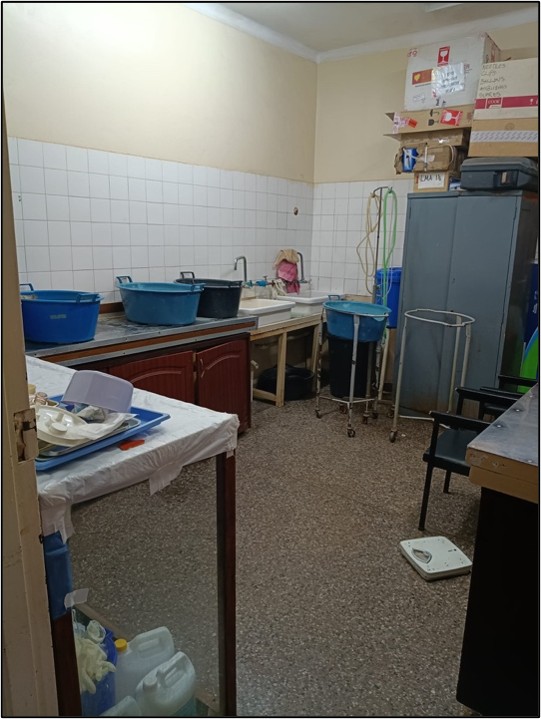
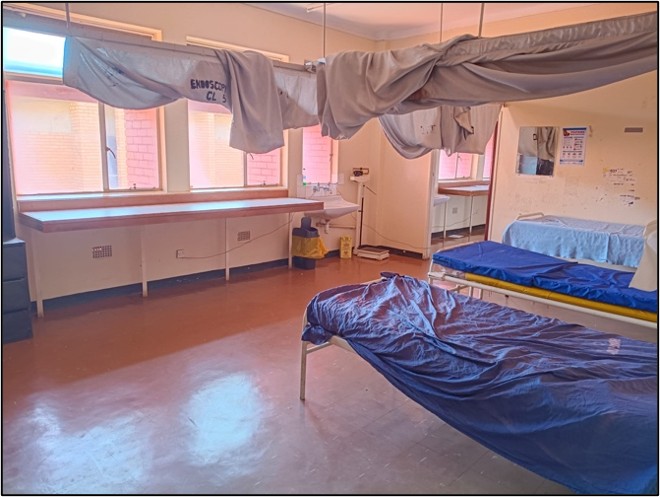
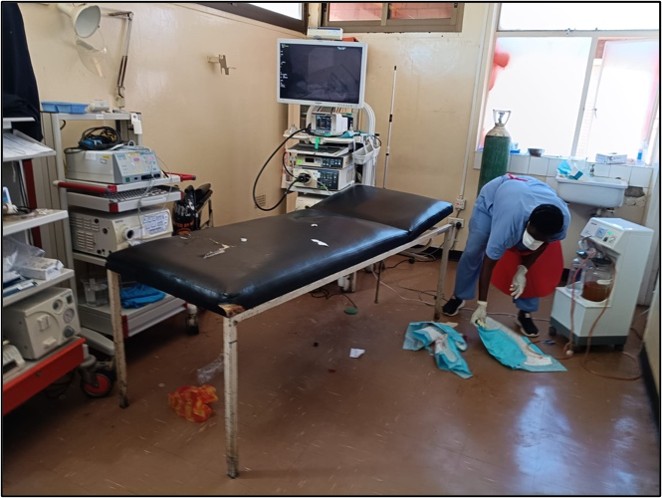
The course was delivered at both St Augustine Clinic, a research unit with endoscopy facilities and also at UTH. Whilst St Augustine has ideal teaching facilities with additional rooms for lectures and model work, the first training week highlighted the challenges faced at the main endoscopy unit at the teaching hospital and it was felt beneficial to arrange training sessions in this environment where the majority of procedures and training regularly takes place.
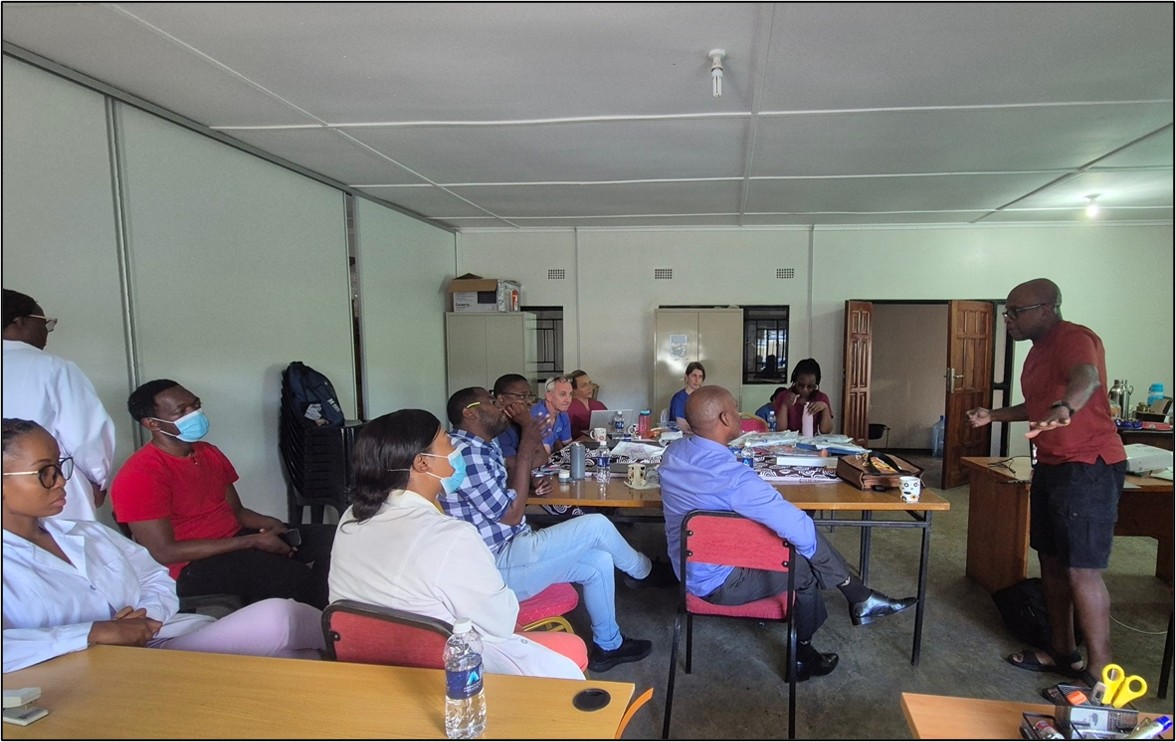
The course objectives and aims were discussed on the first morning alongside ice-breakers and warm welcomes. Individual course objectives for trainees, trainers and train the trainers were discussed and SMART goals were identified.
Basic skills and train the gastroscopy trainers
Three endoscopy trainers were identified to attend teach at the basic skills course. All the trainers had attended the basic skills course two years previously and were already delivering adhoc training on a regular basis. Three new endoscopy trainees with limited experience of gastroscopy (<50 procedures) attended the basic skills course.
A mixture of didactic, interactive and role-play sessions were utilised in the first session. A second stack was unavailable during this training week, so training alternated between model work and patients.
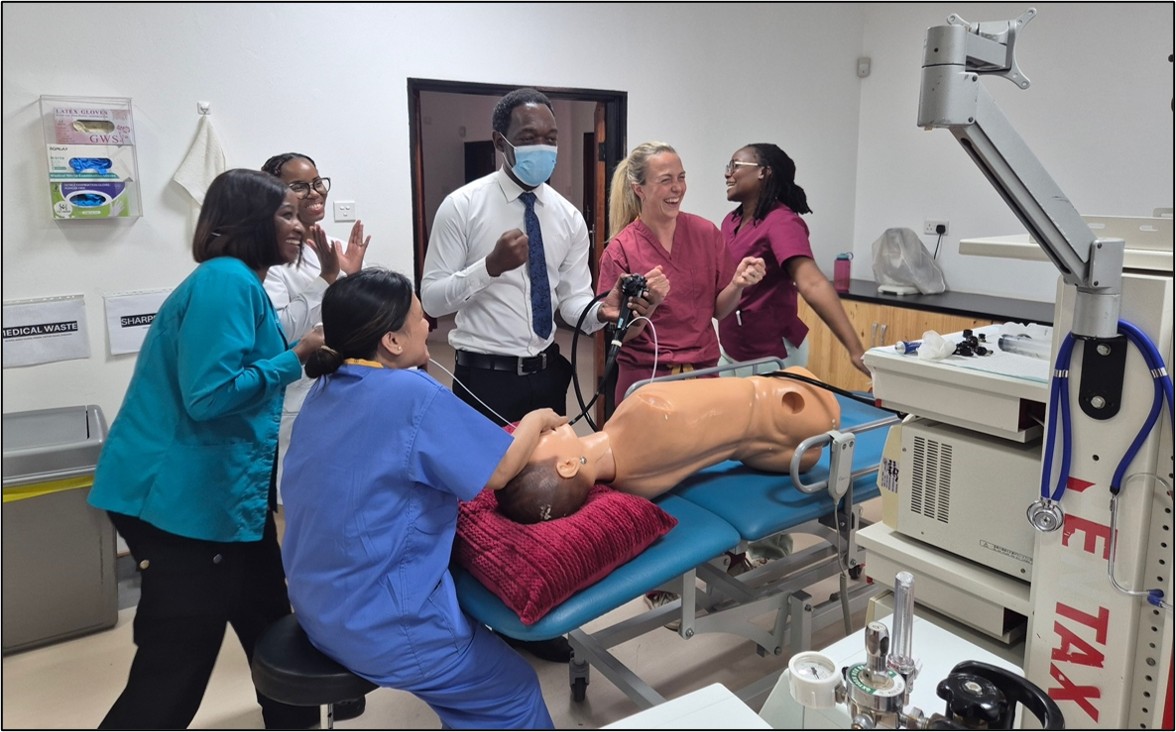
Basic Skills / Upskilling in Colonoscopy Course
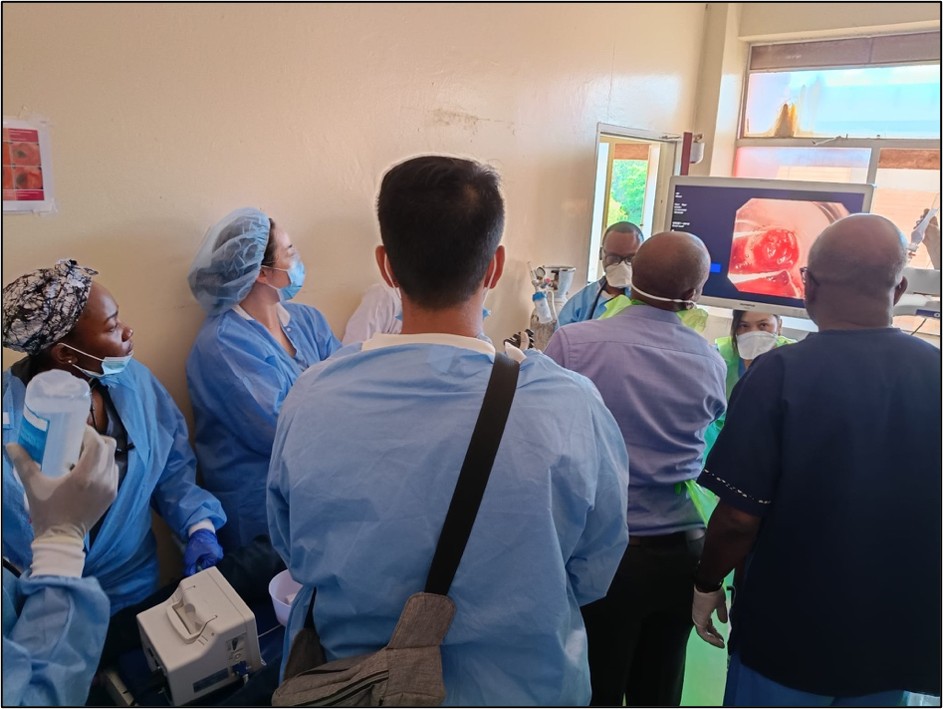
A hybrid basic skills / upskilling in colonoscopy course was undertaken simultaneously from the afternoon of day one. The three consultants were prioritised for training given the lack of formal training in colonoscopy in Lusaka.
This combined both model work and live patient work; focussing on problem solving, loop recognition and lesion recognition. The delegates were also introduced to the concept of immersion colonoscopy to facilitate caecal intubation. The delegates were all incredibly enthusiastic and all the sessions were very well received. The training sessions highlighted areas requiring ongoing training particularly in loop resolution but also in lesion recognition.
Therapeutic Gastroscopy
The UTH consultants had highlighted a need for training in therapeutic gastroscopy and particularly management of variceal haemorrhage, stenting and gastrostomy insertion. The UK faculty came planned and equipped to deliver training on all these aspects if needed, but during the training it became apparent that the focus should largely be concentrated of variceal haemorrhage management and stent insertion. Whilst there is a significant increase in need for enteral nutrition; the lack of availability of gastrostomy tubes was a significant concern which would mean that gastrostomy placement would be very infrequent and training competence unlikely to be maintained.
During the training week, the focus was largely on management of upper GI haemorrhage and in particular variceal haemorrhage due to the prevalence of schistosomiasis and chronic hepatitis B infection. Didactic and hands on sessions were delivered to all delegates and the UK team delivered training in UTH during the week and attended “bleed” lists delivered by the Zambian consultant team.
Nursing Training
SN Paul Watson and SN Abelyn Datlag led additional dedicated sessions with the local endoscopy nursing team. An endoscopy “bleed box” was created for UTH with the essentials required for haemostasis. Knowledge was shared about scope management and maintenance to maximise the life-span of the equipment and reduce the risk of damage to the scopes.
Key Themes
During all the courses, a few themes were identified and were similar to previous. In St Augustine the WHO checklist was performed routinely, however this practice was not wholly adopted across the board at UTH. Professor Kelly was keen to re-iterate the value of the WHO checklist and critical importance in safe daily practice. Safe sedation practices had improved but further teaching and sessions were delivered on optimising combination sedation and allowing time for the sedation to take effect. Finally, logbooks and training records were not wholly accurate and DOPS were not being utilised in regular training sessions.
Outcomes / Feedback
Both training courses were well received with highly complementary feedback. Pre and post course questionnaires demonstrated an improvement in training skills for those undertaking the basic skills course. The trainers delivering the basic skills course were incredibly receptive to feedback and the concept of conscious competence really struck a chord with the delegates; frequently questioning themselves about how they performed a certain manoeuvre or aspect of a procedure and how best to pass on their knowledge and skills. The independent endoscopists / consultants were hugely engaged in the upskilling colonoscopy course and all acknowledged a need for further training.
Conclusions
The primary objectives of the course were met once again. A basic skills course was delivered by local delegates with oversight from the UK trainers. The knowledge from the first course was impressively retained by all delegates who had attended and were able to put into practice during the week. This should allow the basic skills course to be an easily integrated to become a mandatory component of the MMed programme and delivered by the staff within UTH.
The course once again highlighted areas in need of review, such as ensuring the daily use of the WHO checklist and ensuring safe levels of sedation are given.
There are however very limited opportunities for consultants and trainees to upskill in colonoscopy and therapeutic gastroscopy (particularly gastrostomy insertion) due to incredibly limited access to training opportunities and the experience of endoscopy staff. This remains an area that would benefit from further external training as virtual training is unlikely to be able to replace hands on training.