
About the Award
The Barbers’ Company Award for Trainees in Gastroenterology was introduced in 2021, and has been established by the Barber’s Company in memory of Sir Francis Avery Jones, past Master of the Barbers’ Company and past President of the BSG.
The purpose of the award is to help provide a UK trainee in gastroenterology or hepatology with an opportunity to gain training that would not otherwise be available as part of his/her training programme, or to develop a clinical service that will benefit patients.
The value of the award is £3,000 per annum. One of the stipulations of receiving the award is to complete a report of their experience of the training course, and how this will be put into practice in the workplace etc. This will be published on the BSG website in due course.
For 2025, the award was shared between Dr Mirashini Swaminathan and Dr Waqas Khan. We would like to offer Mira and Waqas many congratulations, and we wish them well with their respective courses and their future work connected to this.
Dr Mirashini Swaminathan
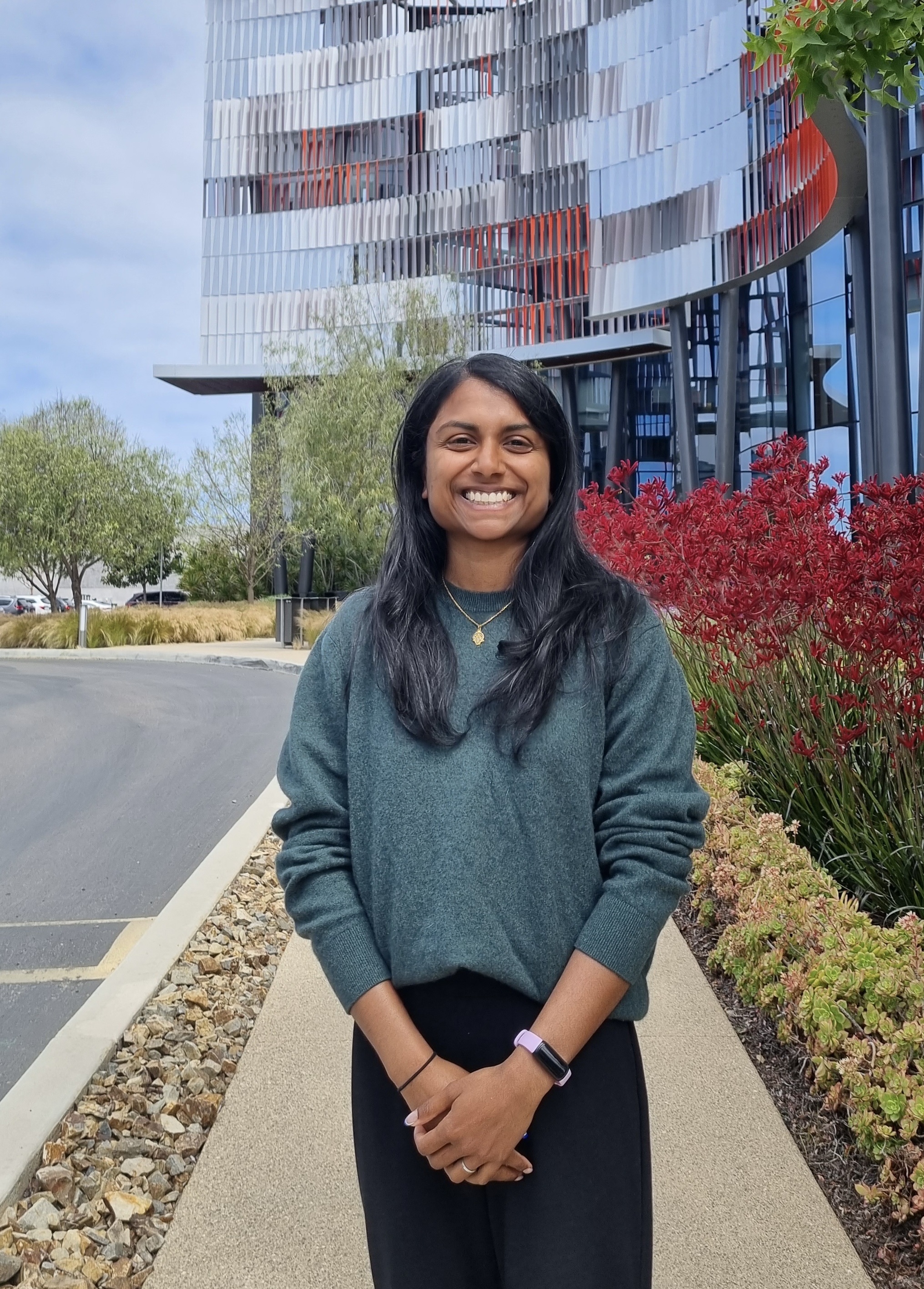
Dr Mira Swaminathan is a gastroenterology specialist registrar based in Liverpool with a clinical and academic interest in immune checkpoint inhibitor (ICI)-related gastrointestinal toxicity. She was previous an MRC clinical research fellow and has recently completed a PhD at the University of Liverpool investigating diagnostic and prognostic biomarkers in immunotherapy- and chemo-immunotherapy-related colitis.
As immunotherapy use expands across oncology, patients with immune-related colitis frequently present to acute and gastroenterology services yet care pathways can be fragmented across hospital sites. Dr Swaminathan intends to use the Barbers’ Company Award to undertake focused training in immunotherapy toxicities through recognised national courses and structured visits to established expert centres. These experiences will allow her to observe integrated oncology–gastroenterology models of care and develop specialist expertise in managing complex cases.
Following this training, she aims to work closely with oncology and gastroenterology colleagues to develop a standardised cross-site pathway between her local hospital and regional cancer centre. This will include clear management pathways, structured referral processes, and guidance on treatment escalation to support more consistent and timely patient care. The development of standardised pathways is also expected to support integration of research into routine clinical care, enabling earlier identification of patients suitable for clinical trials and translational studies. Once established, these pathways may facilitate pilot work to assess the feasibility of prospective recruitment and biosample collection within this patient group.
Dr Waqas Khan
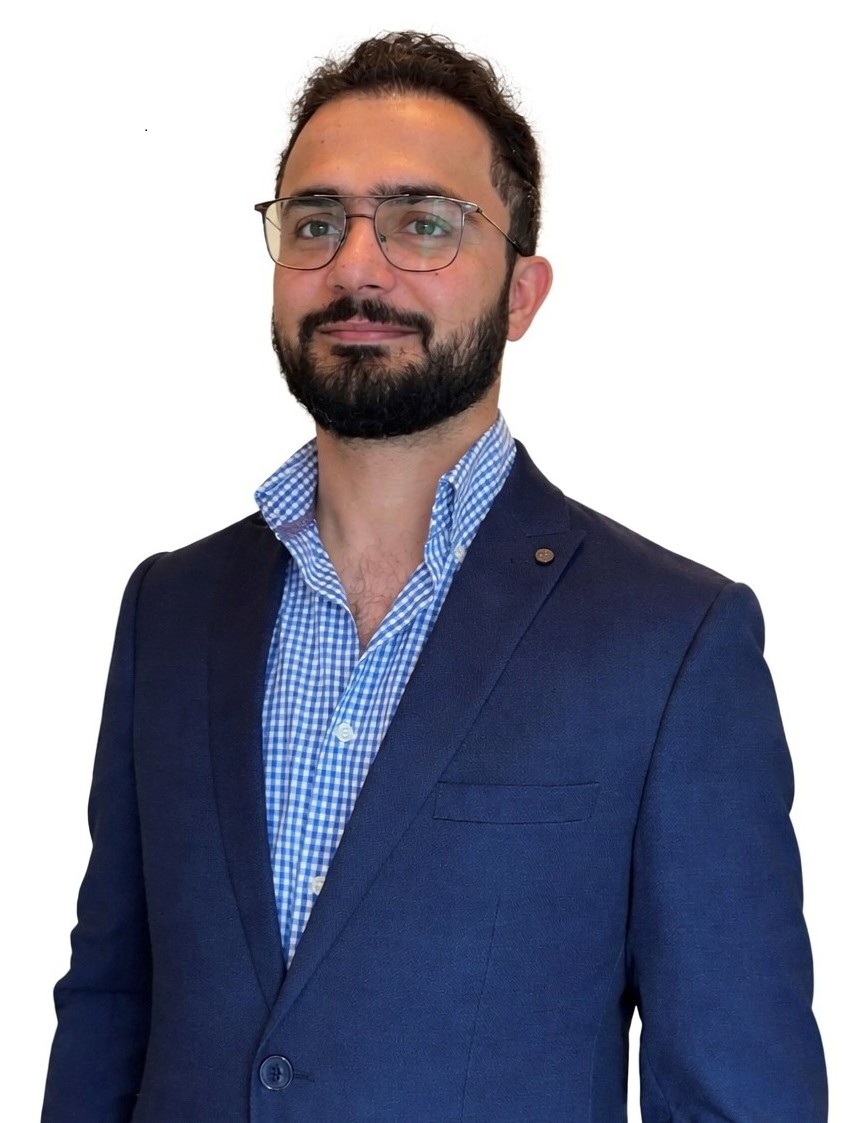
Dr Waqas Khan is a luminal gastroenterology trainee in the Wessex Deanery with a strong interest in advanced endoscopy and optimisation of diagnostic pathways within the NHS. He has been actively involved in service evaluation and quality improvement work aimed at enhancing diagnostic yield and streamlining referral pathways in luminal gastroenterology.
Small bowel capsule endoscopy plays an increasingly pivotal role in the investigation of obscure gastrointestinal bleeding, iron deficiency anaemia and suspected small bowel Crohn’s disease. However, trainee's access to structured and accredited capsule endoscopy training remains variable across the UK, representing an important workforce development gap amid rising demand on endoscopy services.
He will utilise the Barbers’ Company Award to undertake a dedicated BSG accredited capsule endoscopy training programme leading to formal certification and competency in capsule interpretation. Through this structured training, he aims to improve diagnostic accuracy, support timely decision-making, and enhance efficiency within small bowel investigative pathways in my region.
Following completion of training, he wants to strengthen local capsule endoscopy provision, support structured training opportunities for future trainees, and work collaboratively with the multidisciplinary team to embed high-quality capsule services into routine care. He intends for this to serve as a foundation for further luminal endoscopy research and sustainable workforce development in this evolving field.