
Dr Nurulamin Noor was the successful recipient of the Barbers’ Company Award for Gastroenterology Trainees in 2024. The award enabled him to complete the International Bowel Ultrasound accredited training programme. Below, Dr Noor shares his experience about the training course, and how he intends to use the skills and knowledge he acquired to put this into practice in his workplace, and beyond.
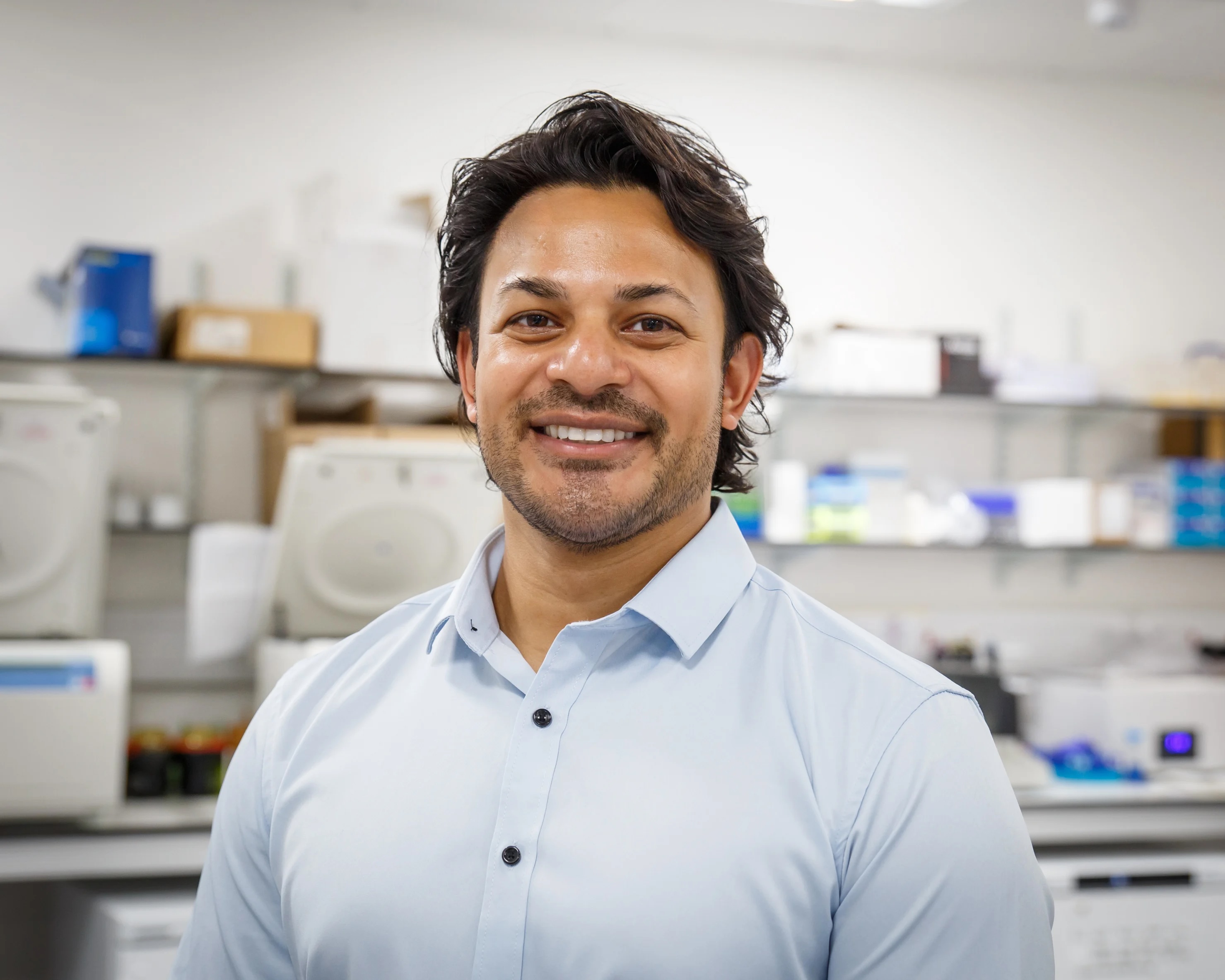
Dr Nurulamin Noor is a Clinical Lecturer in Gastroenterology at the University of Cambridge and Cambridge University Hospitals. He has a particular academic and clinical interest focusing on delivery of better outcomes for people living with inflammatory bowel disease.
Report on the International Bowel Ultrasound accredited training programme funded by Barbers’ Company Award
I am extremely grateful to receive this support and funding from the Barbers’ Company Award (administered by the BSG) to undertake training in intestinal ultrasound (IUS), a highly exciting area of expansion in gastroenterology.
Especially since the COVID pandemic period, it is a reality that endoscopy waiting lists are longer than ever before, and there has been a growing recognition that more innovative approaches are needed around the country to help relieve pressure on clinical gastroenterology services. In particular, recent work has highlighted that as many as 70% of patients waiting for colonoscopy procedures could be classed as low clinical risk for pathology and would likely benefit from being offered an alternative, more prompt investigation, rather than waiting for a much longer period of time – likely contributing to lower patient satisfaction and increasing worry/anxiety in this interim, waiting period.
In parallel, for a number of years now there has been increasing recognition of the advantages from using IUS for patients with bowel disorders such as inflammatory bowel disease (IBD). IUS has been used for many decades outside of the UK as a routine part of clinical practice. Indeed, in many countries around the world, point-of-care use of IUS by practising gastroenterologists has reduced the burden on endoscopy and imaging services, and more importantly contributed to faster pathways of clinical care for patients living with IBD. Crucially, this is an investigation that is consistently rated highly on patient satisfaction scales, especially in comparison to more invasive procedures such as ileo-colonoscopy. However, the main limiting factor for provision in the UK has been a lack of sufficiently trained personnel and training opportunities.
I was fortunate to receive funding from the BSG Barbers’ Company Award to undertake complete comprehensive training in IUS. I was able to use the funding to go abroad to go on specialised ultrasound courses and training, especially as part of the international bowel ultrasound (IBUS) accreditation programme.
This Barbers’ Company award offered me the opportunity to travel abroad and learn from world experts in bowel ultrasonography – including trained and IBUS-accredited assessors. I was able to undertake e-learning modules, complete face-to-face training, crucially with ample time for practising this new skill with patients living with IBD. I learned multiple different aspects around use of IUS including: appropriate scanning technique, pathological differentiation, report-writing and how to build up a service and help to train others in this technology. This is now a skill that I am continuing to build my experience with back here in the UK and hope to work with colleagues locally to be able to provide this service to patients in the near future.
As with any skill, initial high intensity learning can be key to accelerate up the learning curve, but I appreciate that regular use and maintenance will be required to build on the knowledge and experience gained to date. I hope to keep building up my experience locally as well as benefiting from future collaborations and/or short-term fellowships.
Alongside the clinical benefits of training in IUS, another major benefit for departments in having ultrasound trained gastroenterologists is the possibility to take part in research studies and offer involvement for patients, in those where ultrasound is being investigated as a point of care tool. This is especially pertinent as there is now a plethora of evidence demonstrating that research active hospitals are also associated with higher levels of patient reported satisfaction and patient-reported outcomes. In addition, the upcoming STRIDE-III guidelines in IBD are placing more emphasis on IUS and the concept of transmural healing. Therefore, as we move towards an era where many clinical trials will require clinicians to perform and collect IUS information to be considered as potential research sites, it does appear crucial that hospitals and IBD teams have IUS-trained specialists in their team.
In addition to supporting clinical research capacity, I also hope to design and deliver future clinical research studies to help understand how best to implement and optimise use of IUS in IBD around the UK. My own particular interest would be in the context of academic clinical trials, and how IUS could help support more pragmatic, patient-centred clinical trials to be delivered around the country and help provide answers to the most pressing of questions for patients and clinicians.
Looking forward, as well as clinical provision and research, I hope to contribute to implementation and quality improvement projects for bowel ultrasound provision both regionally and nationally. This will likely be an area of increasing focus in the coming years, therefore I hope to support any regional and national initiatives that may be setup to help propel the UK forward with IUS delivery. In addition, I hope to support future trainees or indeed any other members of the multidisciplinary team who might wish to train and accredit in bowel ultrasound in the future - with the ultimate aim to help significant expansion in IUS services for the future and help this to drive improved patient satisfaction and outcomes.
It is clear that IUS is coming and that it is here to stay in IBD. I will continue to develop my skills and experience in this area and given highly collaborative nature of the IBD community across the UK, look forward to working with colleagues throughout the BSG and nationally, to help support increased access to IUS for our patients.
In summary, I am hugely grateful to have been selected as a recipient for the Barbers’ Company award (administered by the BSG), to undertake training in IUS. This is a growing and exciting area of gastroenterology with multiple potential applications for patient benefit, research, teaching/training as well as quality improvement/audit. As IBD care evolves, IUS is likely to form a key part of more patient-centred and holistic care offered by teams to their patients. The funding received for me to undertake this specialist training, will hopefully stand me in good stead to help support development and delivery of greater IUS availability for patients. Ultimately, I hope all the above can help to increase quality of life, outcomes and satisfaction for people living with IBD.